Ultimate Helper for the Circular Economy
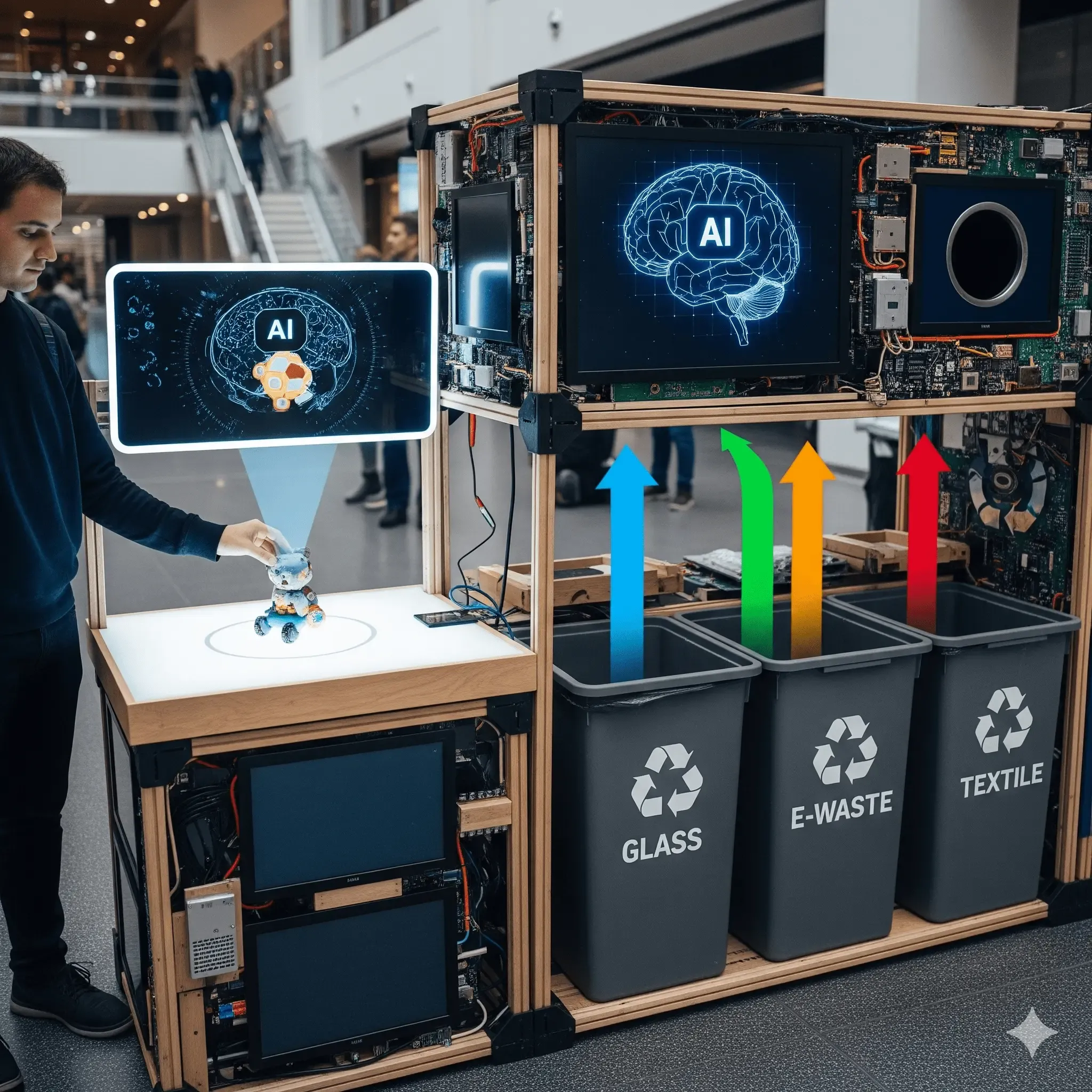
Table of Contents
The Idea
An inexpensive and small station that helps users sort waste into categories like glass, paper, cardboard, textile, e-waste, plastics, and metal — all highly recyclable yet often discarded improperly.
The Challenges
In developed countries, a large portion of landfill waste is recyclable, with estimates ranging from 30% to 75% depending on the region and material type.
The main barriers include contamination, improper sorting, lack of recycling infrastructure, and consumer behavior.
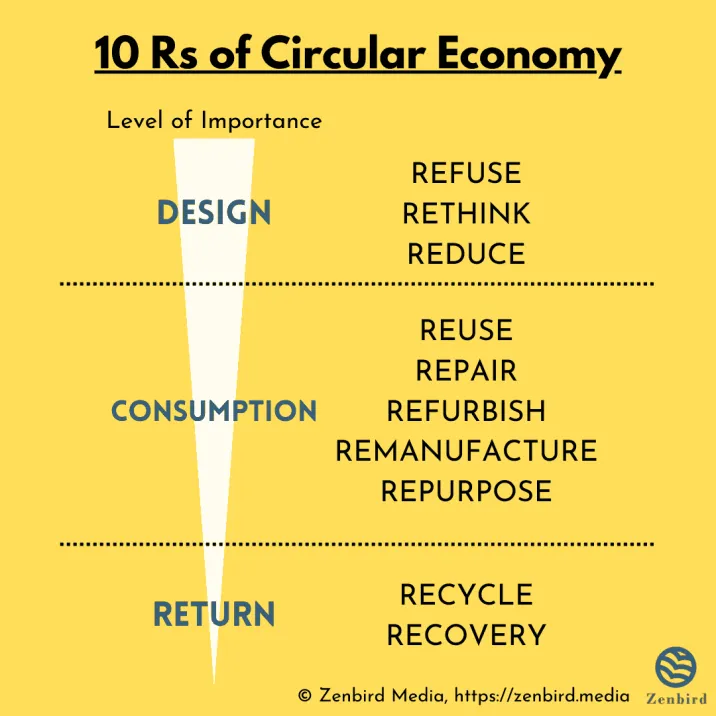 The 10 Rs framework — strategies for achieving a circular economy.
An AI-powered waste sorting station can address these challenges by automating and improving the sorting process.
Examples
One example is the zero-waste town of Kamikatsu, Japan. According to the Washington Post:
The Zero Waste Center is the town’s recycling facility, where residents can sort their garbage into 45 categories — there are nine ways to sort paper products alone — before they toss the rest into a pile for the incinerators. Residents clean and dry dirty items so they are suitable for recycling.
Another is Osaki town, also in Japan.
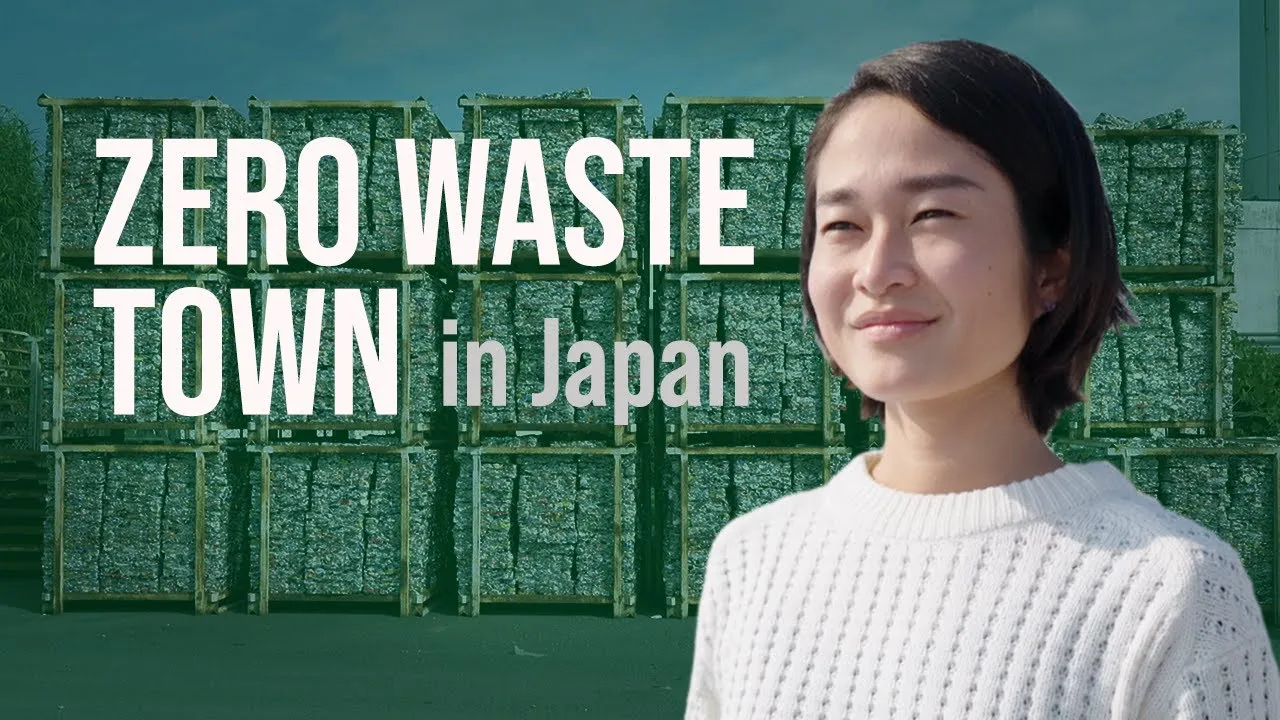
These examples are inspiring but rely heavily on citizen discipline. The AI-powered waste sorting station aims to provide guidance to make such systems feasible elsewhere.
The Concept
A corner-shop-sized station located in areas with high foot traffic — large housing complexes, malls, or supermarkets — where people can conveniently bring their waste.
Restrictions:
- No bulky items like dishwashers or fridges.
- No organic/biodegradable waste (to avoid pests).
- Assumes plastic bottles, aluminum cans, and glass bottles are handled via deposit schemes (e.g., Pfand).
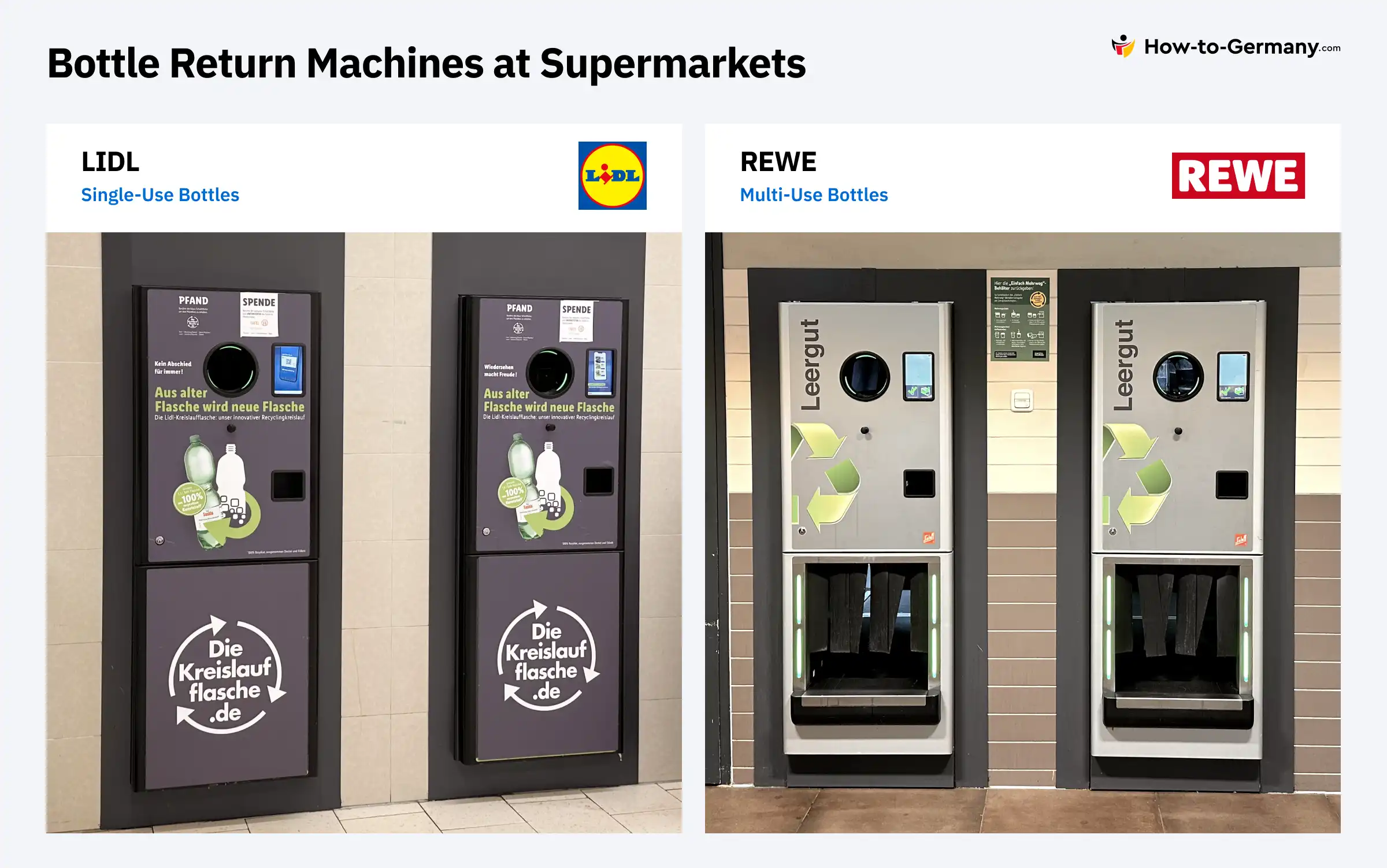 Deposit-return machines are common in countries with Pfand-like systems.
Funding could come from:
- Government subsidies
- Proceeds from selling salvaged goods in second-hand shops
The expectation is that users bring only dry and clean waste.
The Machine
Constructed from recycled components:
- Display – salvaged TV or laptop screen
- Microphones – from laptops
- Speakers – from TVs or laptops
- Cameras – from laptops, tablets, smartphones
- Optical sensors – from scanners
- Weight sensors – from digital scales
- Magnetic sensors – from hard drives or speakers
- RFID/NFC sensors – from smartphones
- Motherboard – from smartphones, tablets, laptops, or PCs
 _Many hardware parts can be salvaged and reused in the station._
Designated Areas
- Information zone (speakers + display)
- General Item Sorting Table (cameras, optical sensors, weight sensors)
- Magnetic Sensors Table (ferrous metal detection)
- NFC/RFID Table (tag detection)
 _An AI-generated concept design for the waste sorting station._
The Algorithm
Step 1: Arrival & Setup
- User approaches with waste.
- Station greets them and shows categories/instructions.
Step 2: Waste Identification
- AI camera scans items.
Step 3: Sorting
- Item placed on sorting table.
- AI determines material & category.
- Ambiguous items go to dedicated analysis areas.
Step 4: Completion
- Summary shown to user.
- Data sent to server.
- User rewarded with eco/green points.
If confused, the user can ask the station for help — the query is sent to AGI or a human operator, and the answer is shown and voiced.
More info: GitHub Repository
The End
If you think this idea is good — throw dollars at me.